The three ways

Who pays, who manages it, and who gets the upside.

You do it

Repair it, then list it

You fund the work, hire and chase the trades, and carry the house while it drags on. Then you list. If it goes to plan you keep the whole difference, and sometimes that is exactly right.

The catch is that it needs cash you may not have, and a renovation that overruns eats the gain it was meant to create.

Nobody does it

Sell it as-is, for cash

I buy it in its current condition. No repairs, no cleaning, no contractors, no showings. Leave what you do not want to take. The price reflects the work needed, and you are done.

Best when you do not have the money or the appetite for a renovation, or you need it finished quickly.

I do it

Fix and list

I fund the repairs and manage every trade, then the house goes to market with the listing agent on my team. You pay nothing up front and meet no contractors, and the aim is a higher sale price than the house could reach as it stands.

Best when the house has real upside and there is time to let a renovation and a listing run. Compare the options.

The part that surprises people

Condition decides who is even allowed to buy your house.

Most buyers need a mortgage, and most mortgages come with condition requirements. An appraiser working on a government-backed loan will flag things like a failing roof, no working heat, exposed wiring, missing handrails or significant water damage, and the lender can refuse to fund until they are fixed.

The effect is that a house in poor condition quietly loses most of its buyers. You are left with cash buyers and renovation loans, which is a far smaller pool, and a smaller pool means less competition and a lower price.

This is why "just list it as-is and see what happens" often disappoints. It is not that nobody wants the house. It is that the people who want it cannot get financing on it.

Things that commonly stop a loan

  • A roof at the end of its life, or actively leaking
  • No working heat source
  • Exposed or unsafe wiring, or an unsafe panel
  • Active water intrusion, or visible mold
  • Missing handrails, broken steps, unsafe decking
  • Peeling paint on older homes, on some loan types
  • Foundation movement, or structural damage

Repairs that tend to pay

Cosmetic and visible work usually returns the most: paint, flooring, a kitchen that photographs well, tidy landscaping, clean bathrooms. Buyers price what they can see.

Repairs that tend not to

Big invisible systems rarely return their cost when you do them immediately before selling. A new furnace or a new sewer line removes an objection, but buyers do not pay a premium for one, they simply expect it to work.

Before you spend anything

Not every repair earns its money back.

The instinct is to fix everything before selling. In practice some work reliably returns more than it costs, some breaks even by removing an objection, and some is simply money you will not see again.

Which is which depends on the house and what buyers in that area expect. That is a conversation worth having before you spend, not after, and it is one of the more useful things I can do for free even if you never sell to me.

The worst outcome is spending twelve thousand dollars on a renovation that adds eight thousand to the price, and I have watched people do exactly that with the best intentions.

What this looks like in practice

A house that needed everything, finished and listed.

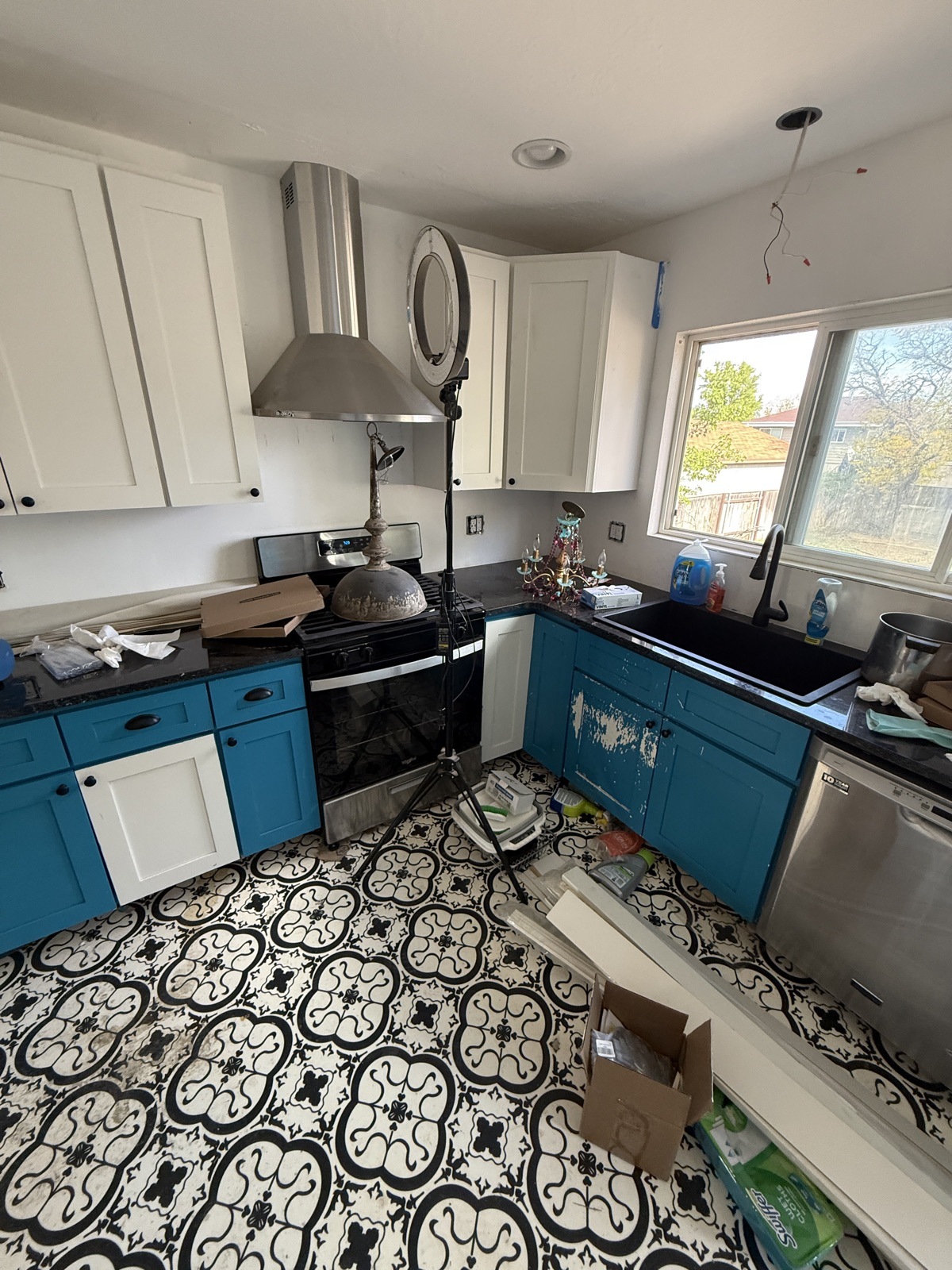
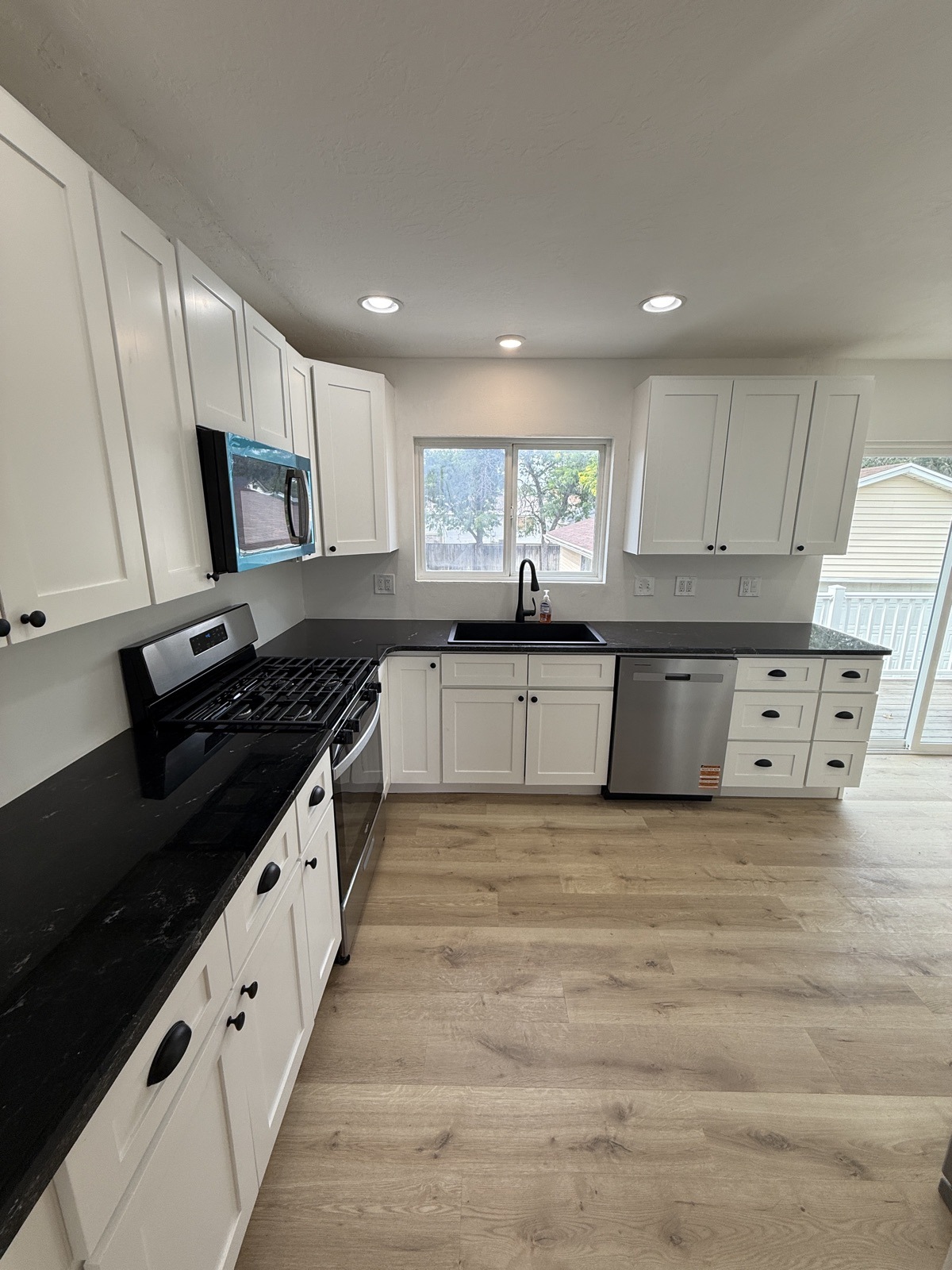
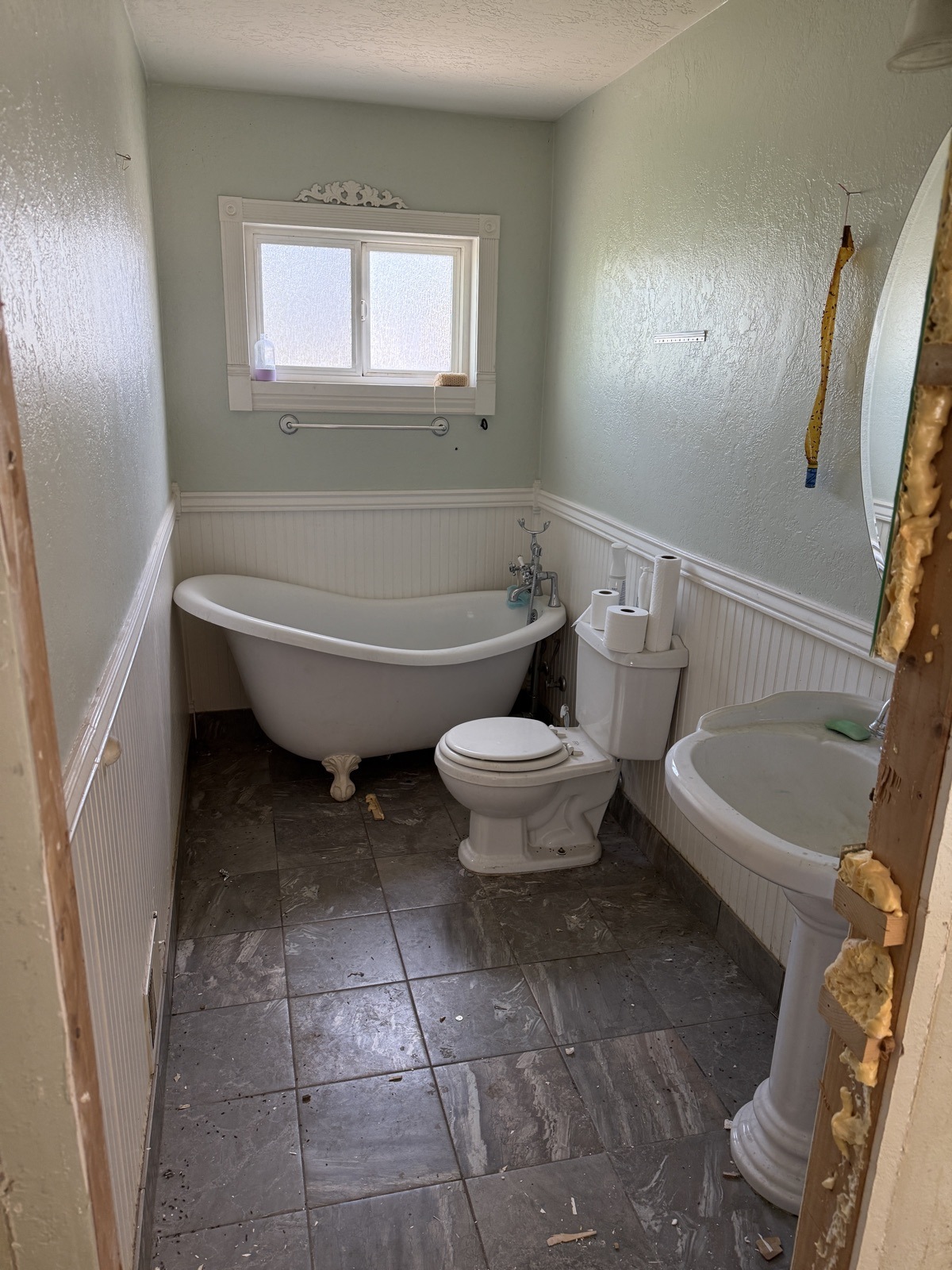
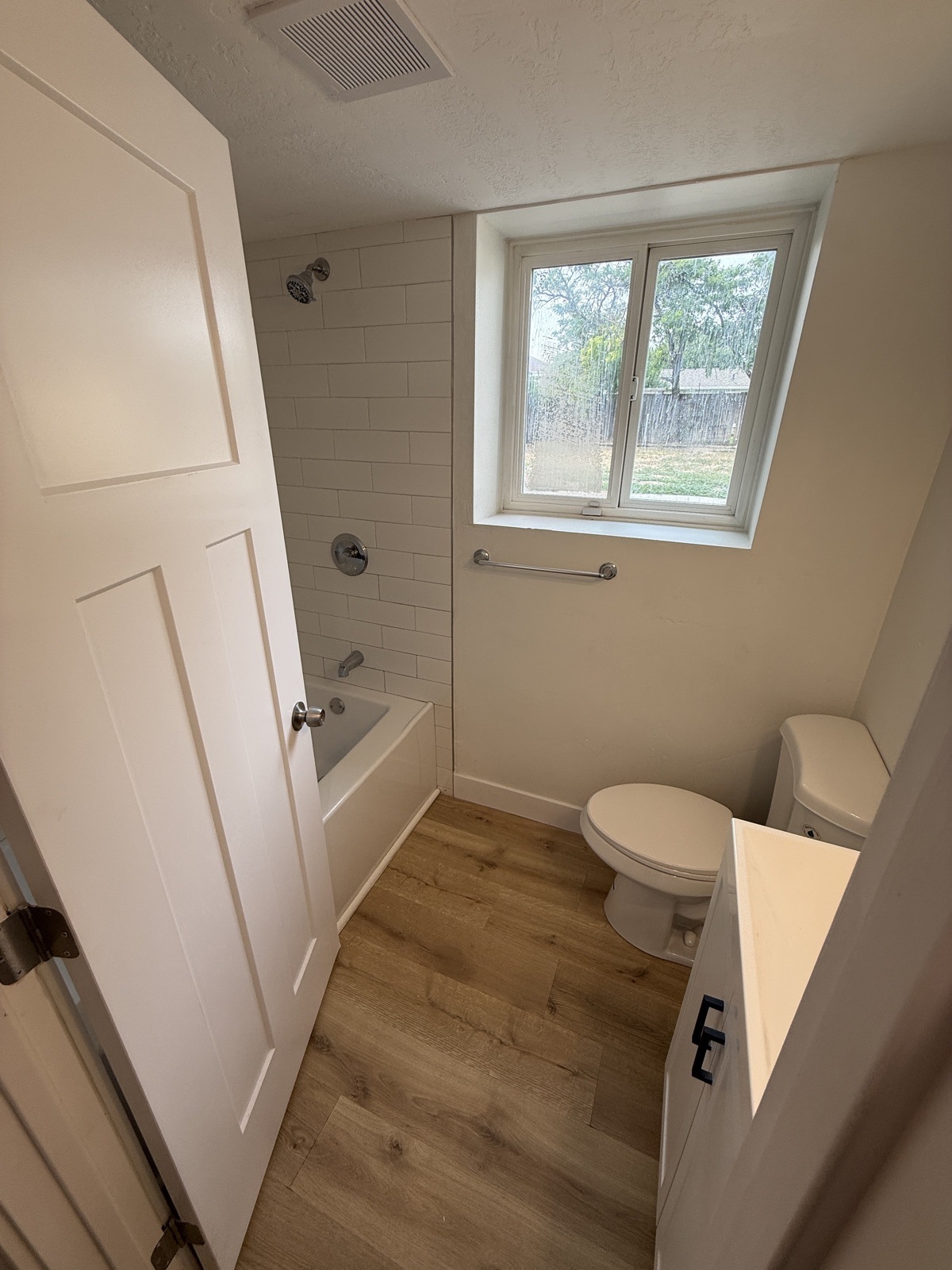
Same property, same angles. The seller did nothing: I funded the work and managed every trade, and they paid for none of it up front.

Before Kitchen part-way through the work: white upper cabinets and dark counters already in, blue lower cabinets and a patterned tile floor still to go
Part-way through. The uppers were in; the blue lowers and the patterned floor were not staying.
After Renovated kitchen with white shaker cabinets, dark counters and stainless appliances
White doors throughout, LVP where the patterned tile was, and a microwave in place of the hood.
Before Dated bathroom with a clawfoot tub, mint walls over white beadboard, dark tile floor and the door casing stripped back to bare wood
Clawfoot tub, beadboard, and a small frosted window. The door casing had already been stripped out.
After Finished bathroom with an alcove tub and white subway tile surround, a new vanity, LVP floor and a larger clear window
Alcove tub and tiled surround, new vanity and floor, and clear glass where the frosted window was.

See the rest of this renovation

What as-is actually means

You do not have to clean it, empty it, or apologize for it.

As-is means I buy the house in the condition it is in on the day I see it. Not the condition you could get it into with three weekends and a skip. There is no repair list afterwards, and I do not come back with a renegotiated number once a report lands.

Take what matters to you and leave the rest, including furniture, rubbish and whatever is in the garage. Clearing it out is my problem after closing, and I would genuinely rather you did not spend a weekend on it.

You are not the worst I have seen

People apologize for the state of the house before they open the door. Hoarded rooms, fire damage, collapsed ceilings, animal damage, houses that have sat empty for years.

None of it is shocking and none of it changes how you get treated. It is a house with work needed, which is the entire thing I do.

Questions

Answered plainly.

Do I need an inspection before I sell?

Not for a cash sale to me. I look at the house myself and price what I see, so there is no inspection contingency and no renegotiation afterwards. If you list instead, an inspection is normally part of the buyer's process rather than yours.

What if I do not know how bad it is?

Most people do not, and that is fine. I will walk it and tell you what I find, including things you may not have noticed. You get that information whether or not you sell to me.

Should I fix the roof before selling?

It depends on whether you are listing or selling as-is. A failing roof can stop a buyer's financing, so it matters a lot on the open market and hardly at all in a cash sale. Ask before you spend, because that answer is worth real money either way.

Will you lower the offer after we agree?

No. The number comes after I have seen the house, which is exactly why I will not give one before. An offer that changes after you have made plans around it is the thing this whole approach is built to avoid.

Find out what it is worth as it stands, and what it would be worth finished.

Both numbers, in writing, before you spend a dollar on repairs.

Get my offer options Call 801-647-8799
Call 801-647-8799 Get my options